笑傲江湖
建设“橙汁之都” 重庆忠县力争到2030年柑橘全产业链综合产值突破200亿元,建设“橙汁之都” 重庆忠县力争到2030年柑橘全产业链综合产值突破200亿元_我的网站

一 | 重庆8月24日电(陈媛)“十五五”时期,有“中国柑橘城”之称的重庆市忠县,将放大自身柑橘产业优势,建设“橙汁之都”,助力重庆食品及农产品加工业集群发展。 重庆市政府新闻办24日举行新闻发布会,从发布会现场获悉上述信息。 重庆忠县县委副书记、县政府县长罗毅介绍,忠县深耕柑橘产业30年,构建起从“一粒种子到一杯橙汁,再到吃干榨尽”的完整产业链,力争到2030年,柑橘全产业链综合产值突破200亿元,带动全县22万果农增收致富。

二 | 罗毅表示,建设“橙汁之都”,是忠县“十五五”时期主动融入重庆市五千亿级食品及农产品加工产业集群、担当重庆市重要农产品加工承载地使命的关键抓手,将从“种好果、榨好汁、增好收、扬好名”四个方面精准发力。
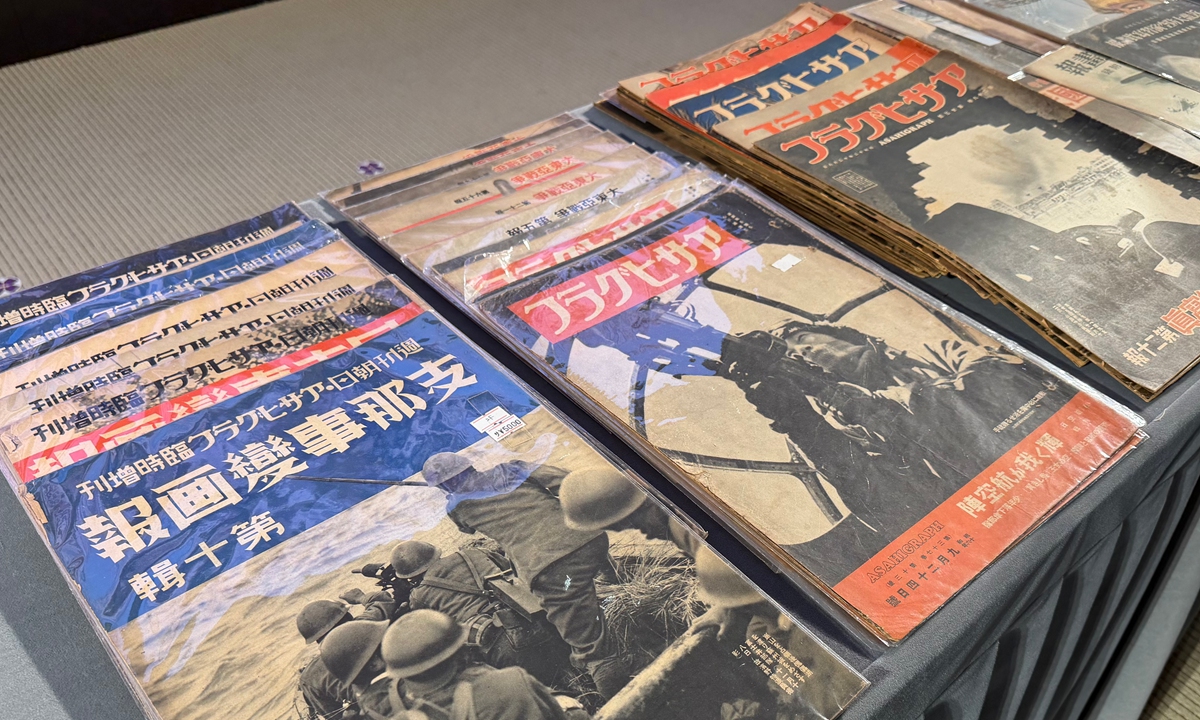
August 15 this year marks the 81st anniversary of Japan’s unconditional surrender in World War II. A ceremony themed “Nanjing Will Never Forget” was held on Saturday at the Memorial Hall of the Victims in the Nanjing Massacre by Japanese Invaders in Nanjing, East China’s Jiangsu Province.
At the ceremony, a batch of newly acquired artifacts, historical materials, and documents related to the War of Resistance Against Japanese Aggression, including Japanese soldiers’ private letters, wartime postcards, educational materials on gas warfare, news compilations and French diplomatic archives, was officially added to the memorial hall's collection.
Overseas‑sourced historical archives drew wide attention among the donated materials. French youth Marcus Detrez, his compatriot Bastien Rata and Chinese youth Zhong Haosong jointly donated a set of historical documents on Japan’s aggression against China from the French diplomatic archives in Nantes, as well as Japanese‑language materials they had collected in Japan.
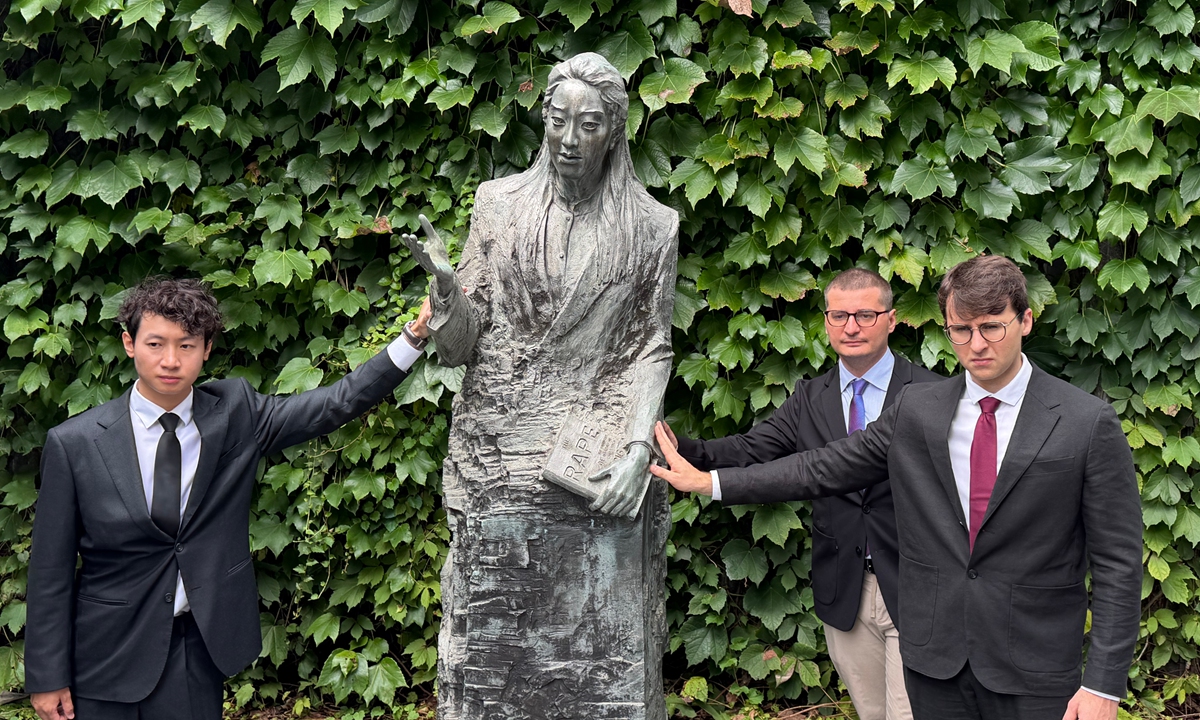
Marcus told Global Times on Saturday that, through these archives and related research, they have gained a deeper understanding of the brutality of the Nanjing Massacre. He said that collecting these materials was also aimed at conducting more educational work to help more people learn about this period of history.
The materials brought back from Japan by Zhong include albums of documentary paintings of the Japanese invasion of China by artists accompanying the invading Japanese army, privately taken photo albums of the invading Japanese troops, and original publications from the same period, including the Asahi Shimbun. These materials all come from original Japanese records.
The overseas historical materials were collected over an extended period. Zhong said they contacted sources online and searched through antique and secondhand book channels while continuing to collect materials in Japan.
The new collection on Saturday also includes materials gathered by Chinese youths. High school student Yu Ningpeng and Xu Weizhe donated 12 private letters written by a soldier of the 20th Regiment of the Imperial Japanese Army’s 16th Division, documenting his experiences during the invasion of China. One letter, dated December 20, 1937, contains accounts related to the Japanese occupation of Nanjing.
Meng Guoxiang, a researcher at the Institute for National Memory and International Peace Studies, told the Global Times at the event on Saturday that historical research places great importance on the sources of historical materials, with original archives holding significant value.
Some of the materials donated this time were records left by the perpetrators themselves, while archives from third-party countries such as France provide another perspective, Meng said, adding that cross-checking materials from different sources can help build a more complete body of evidence.
Notably, alongside the handover of the latest batch of archival materials, the memorial hall also held a ceremony to induct the fifth group of inheritors of the historical memory of the Nanjing Massacre. Six people were named as the latest inheritors, including descendants of Nanjing Massacre survivors, descendants of eyewitnesses, and descendants of international friends. They help pass on historical memory through family traditions, educational activities and efforts to raise public awareness of history.
In recent years, a growing number of post-1990s and post-2000s private collectors, as well as foreign nationals, have joined efforts to collect historical materials, a trend that has deeply moved and impressed Zhou Feng, curator of the Memorial Hall of the Victims in Nanjing Massacre by Japanese Invaders, he told the Global Times.
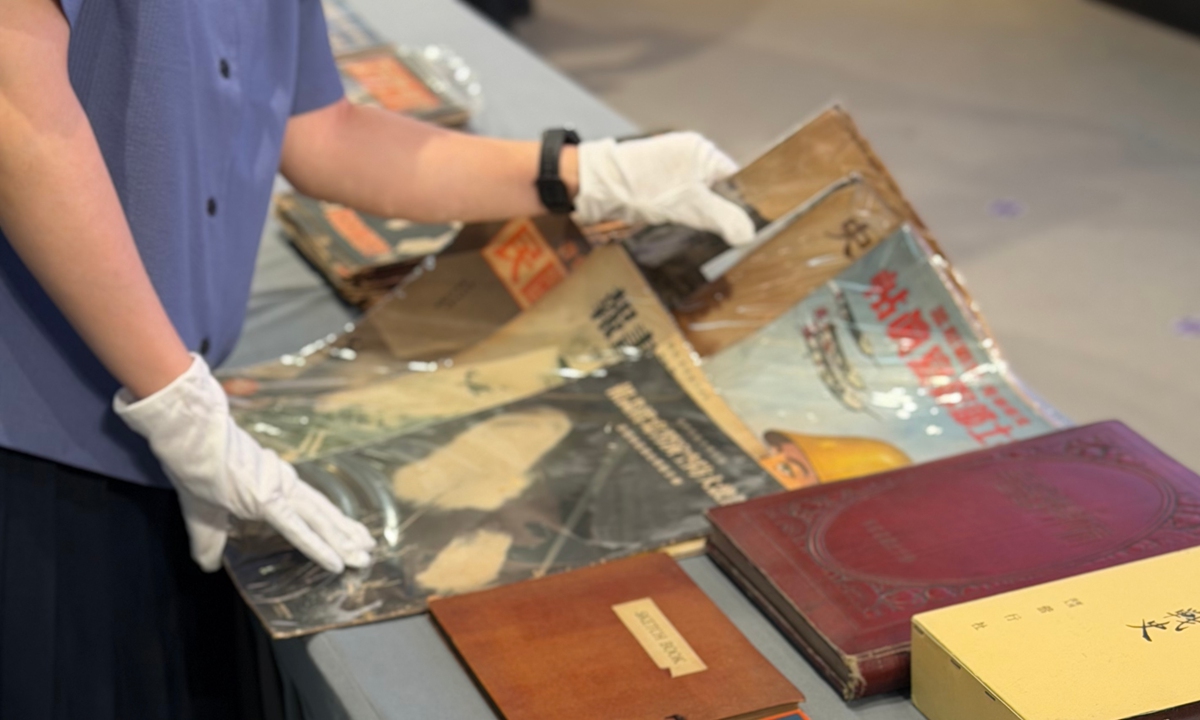
Zhou said that preserving history and historical records was once widely seen as the responsibility of museums, cultural institutions and professional scholars; however, today, more and more private collectors are taking the initiative, spending their own money to collect historical materials scattered across China and overseas.
Historical memory, he said, needs to be passed down from one generation to the next. The donors come from different generations, nationalities and backgrounds, but share a common respect for historical truth and commitment to justice.
Since the beginning of this year, the memorial hall’s Nanjing Massacre Documents Center has launched a global campaign to collect relevant historical materials, receiving support from various sectors both in China and abroad. Nearly 100 donors from China and overseas have so far contributed materials to the memorial hall, Zhou said.
。 好果子榨出好橙汁,种好果是第一步。

三 | 目前,忠县标准化柑橘基地达36.5万亩,年产量50万吨。忠县将持续推广绿色种植技术、建设绿色示范基地,实施改土壤、改树形、改品种“三改”技术分批改造老果园,引进培育“红韵香柑”等具有辨识度的优新品种,推动化肥农药“双减”、质量效益“双增”。 在橙汁加工环节,忠县建成重庆市首条HPP超高压冷杀菌生产线,“NFC+HPP”(即非浓缩还原果汁与超高压冷杀菌技术)技术已经成为“忠州橙汁”最亮眼的标识。要让好橙汁卖出好价钱,忠县将继续支持企业分类实施设备技改,梯次扩建生产线,以智能化改造为核心,推动橙汁压榨、杀菌、灌装全流程数字化升级,利用好重庆(忠县)现代农业柑橘产业园集聚优势,到2030年,橙汁年加工产能突破80万吨,县域橙汁加工企业产值突破80亿元。

四 | “一颗橘子不浪费,皮渣里面挖黄金。

五 | ”罗毅谈到,忠县将加快建设20万吨柑橘皮渣饲料化项目,全力推动柑橘皮渣高值化区域利用中心落地见效,提升高值化利用,从果皮里梯次提取果胶、黄酮、膳食纤维、精油等高附加值产品,实现全果开发、“吃干榨尽”。 近年来,忠县柑橘鲜果和NFC橙汁远销英国、日本、新加坡等30多个国家和地区。在品牌与市场拓展上,忠县将加快构建以“忠州橙汁”区域公用品牌为引领,多个特色新兴品牌协同发展的品牌矩阵,线上聚焦国内头部电商平台,线下巩固北上广深等一线城市销售渠道,逐步开拓其他重点城市市场,瞄准欧洲、东南亚等海外市场,让“忠州橙汁”走出国门、香飘世界。
Current article:http://1kq1.roubutianquegumaigoubingdian.cyou/boc4p0/jp4ee.html
Published on:03:56:48
 人社局开展沉浸式感受办事流程活动
 Populist Slovak ex-PM signs deal with 2 other parties to form new government
 고령군, ‘함께 성장하고 모두가 누리는 힘 있는 고령’
 热身赛-中国男篮83-78击败乌拉圭 贺希宁17分3板
 Chinese Long March-8A rocket launches new internet satellites